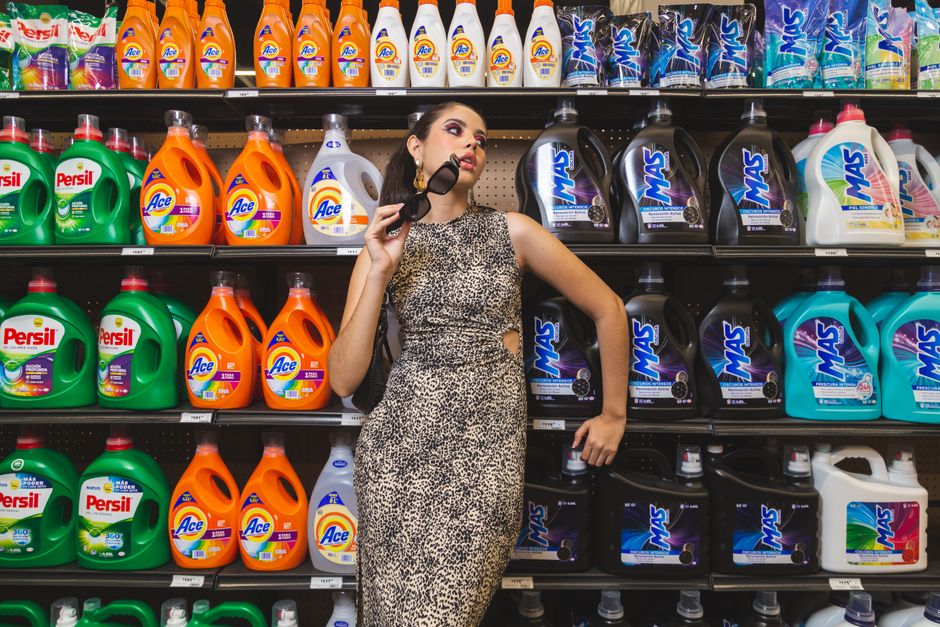
Prices on milk, coffee, and detergent can change independently, so the cheapest store for last week’s basket may not be the best choice tonight. Watch the exact staples you buy, then compare the full list and the distance involved before committing to one store.
At 6:18 on a Tuesday evening, Lena stood by the kitchen counter in Cologne with an empty coffee tin in one hand and a detergent bottle turned upside down beside the sink. Her partner was due home later, the laundry basket was full, and tomorrow’s breakfast depended on milk she had not bought.
She had seen all three staples cost more recently. What she could not see was whether her usual store still made sense for this particular trip. A cheaper coffee pack somewhere else would not help if the milk or detergent pushed the total back up, or if the second stop added more travel than the savings justified.
The bad ending was simple: Lena would make the familiar one-store run, spend more than she needed to, and find out afterward that this week’s offers had changed the answer. With only enough detergent left for one load, putting the trip off was not an option.
Watch the products that keep moving your basket
A weekly offer is useful when it applies to something you were already going to buy. Milk, coffee, and detergent are a practical trio to watch because they return to the list again and again, while prices and promotions can shift around them.
Lena added each item to her watched products. That did not lock her into a particular retailer or tell her to chase every offer in town. It gave her a reason to check fresh nearby prices before she left.
The useful habit is smaller than building a complicated deal strategy. Keep a short watch list for staples that regularly trigger an extra trip or a larger spend. Add the products by the version you actually buy when possible, such as the milk size, the coffee type, or the detergent format. A vague comparison can hide the difference between a low shelf price and the product that will actually make it into your basket.
This is also why a single featured deal can mislead. A store may have the lowest price for coffee today while another nearby store has the better total once milk, detergent, and the rest of your list are included. The decision belongs to the basket, not to the loudest individual offer.
For a fuller look at that tradeoff, see What If Penny Wins on Staples but Loses on Your Complete Basket?.
Leave the store choice open until the list is ready
Lena’s usual store was convenient, and that mattered. She did not need an itinerary built around tiny differences. She needed an honest choice between one easy stop and a split trip that was worth the extra distance.
She put the three staples on her shopping list with the other things she needed. Then she ran a comparison of nearby options. One-store and multi-store plans gave her a way to see the tradeoff in the same place: total basket price alongside the travel involved.
That distinction matters on a Tuesday night. “Cheapest” can mean the lowest item price at a store that is out of the way. For most errands, the better question is: how much would I save, and what would I give up to save it?
A convenience-to-savings control makes that choice visible. Move toward convenience and the plan can favor fewer stops. Move toward savings and it can surface a split plan when the difference is large enough to matter to you. The shopper sets the balance instead of accepting a hidden ranking.
Compare the whole basket before chasing a lower shelf price
The comparison showed Lena that her usual store was still a valid option, but not automatically the best one. A nearby alternative had a stronger price on two of her watched items. The split plan lowered the basket total, yet the extra stop made the difference feel less compelling for an evening when she needed to get home.
She chose the one-store plan. It was close, it covered the list, and she could see the price tradeoff before getting in the car. That was the turn she needed. She was choosing convenience with the numbers in front of her, rather than guessing that routine was still the cheapest route.
A complete list also helps expose missing items before they create another problem. If an item cannot be matched to a real offer, it deserves attention before you treat a plan total as final. The Missing Items in Your Grocery Comparison, and What They Could Cost You explains why an incomplete basket can undo an apparently cheaper trip.
Build a five-minute check into the trips you already make
The goal is not to turn grocery shopping into a second job. It is to stop making a store decision on stale assumptions when the same staples keep appearing on your list.
Before the next shop, save a reusable list with the essentials you buy most often. Watch the few products whose price changes you notice first. When it is time to leave, refresh the comparison and choose between the one-stop and multi-store options based on tonight’s list, nearby prices, and how much travel you are willing to take on.
Back in Lena’s kitchen, the coffee tin was no longer empty, the detergent sat by the washing machine, and tomorrow’s milk was in the fridge. She had not chased a bargain across the city. She had made the trip fit the basket she actually needed.
Comments
No comments yet.