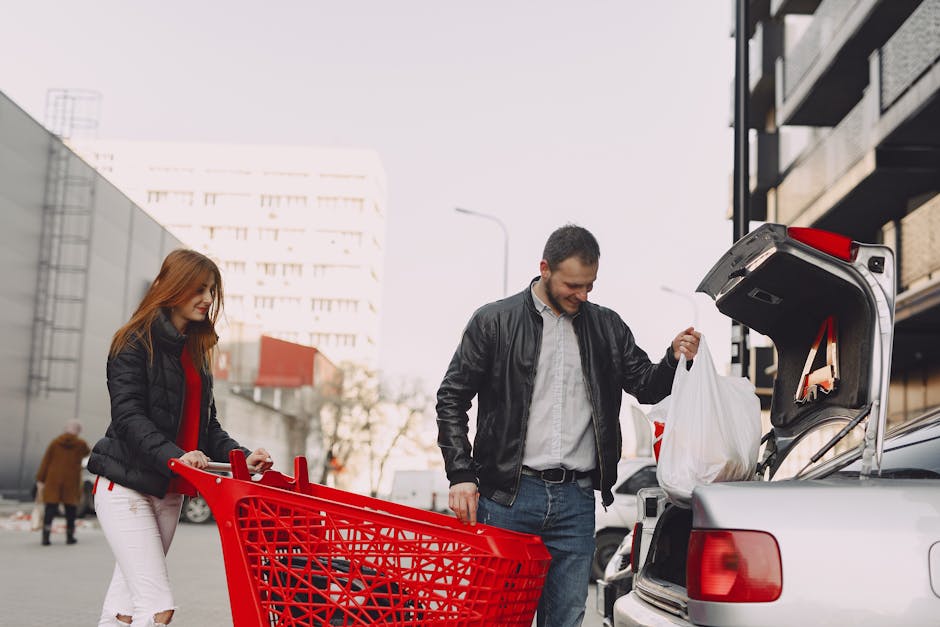
Change the route home only when Kroger’s lower basket total still beats the extra miles, traffic, and time your frozen groceries can safely spend in the trunk. On a Friday, a cheaper shelf price matters less than the full cost of getting home with everything you need.
Treat the frozen food as a hard constraint
Start with the items already in the trunk. Ice cream, frozen vegetables, meat, and meal-prep staples set a time limit that should shape the route.
If Walmart is on the direct path home and Kroger adds a meaningful detour, give the detour a real cost. Dallas traffic can turn a short map distance into a slow drive through lights, parking lots, and a crowded Friday checkout. The lower total at Kroger has to cover that inconvenience before it earns the extra stop.
A practical rule: keep the frozen-food stop to one store unless the second store is genuinely close and your list has enough price-sensitive basics to make the switch worthwhile. If the remaining basket is milk, bread, eggs, fruit, and a few pantry items, a long detour rarely pays for itself.
Compare the complete remaining list
Do not compare one tempting deal, such as a low-priced pack of store-brand coffee or a sale on chicken. Compare every essential still missing from the house.
Put the actual list into three groups:
- Staples you buy every week, such as milk, eggs, bread, rice, pasta, bananas, and cereal.
- Higher-cost items where a price difference can move the total, such as meat, diapers, detergent, formula, or coffee.
- Items that can wait until the next trip.
That last group matters. If Kroger wins on the full essentials basket but you only need a few urgent items, taking the Walmart route home can still be the sensible choice. Buy the urgent items now and save the larger comparison for the next planned shop.
The useful question is simple: “What will I spend on the items I need tonight?” A store can look cheaper on a few staples while losing once you add the rest of your list. For a fuller look at that trap, see What If the Cheapest Grocery Chain Costs More for Your Actual List?.
Put a value on the detour before you leave the parking lot
Use the route you would actually drive on Friday afternoon, not an idealized distance. Check the extra miles, expected drive time, parking, and whether the Kroger location is on the way home or pulls you in the opposite direction.
Then set a personal threshold. A parent who needs to get dinner moving may decide that an extra 15 minutes needs to save more than a few dollars. Someone already passing both stores may accept a smaller difference.
You do not need a perfect formula. You need a consistent one.
For example, if Kroger’s total comes out lower but requires an extra eight miles and two busy store stops, keep the Walmart stop unless the savings feel worth that extra drive after you factor in fuel and the frozen groceries. If Kroger is only a few minutes out of the way and the total difference covers several days of lunches or a household staple, changing the route can make sense.
The tradeoff is yours. A lower total is useful only when it fits the evening you actually have.
Check whether every item is covered
Before choosing Kroger, confirm that the lower total includes every item you need. A missing item can erase the saving when it forces another stop tomorrow.
Pay attention to substitutions, package sizes, and store brands. A lower price on a smaller package may not help the week’s budget. If a comparison cannot match an item with confidence, treat that part of the basket as unresolved instead of assuming the cheaper total is complete.
This is especially important for specific dietary items, school-lunch brands, baby products, and anything the household cannot easily replace. The Missing Items in Your Grocery Comparison, and What They Could Cost You explains why an incomplete basket deserves a second look.
Make Friday’s decision, then save the list
For this trip, pick the route that gets the complete urgent basket home at a total you can live with. Do not turn a Friday errand into a two-store mission for a tiny difference.
For next week, keep the list and compare it before you load frozen food into the car. Weekly offers change, and the store that wins on this Friday’s essentials may lose when detergent, coffee, produce, or family staples move in price.
Before you leave the current parking lot, remove the items already in the trunk from your list, mark what must be bought tonight, and compare only that remaining basket against the real route home.
Comments
No comments yet.