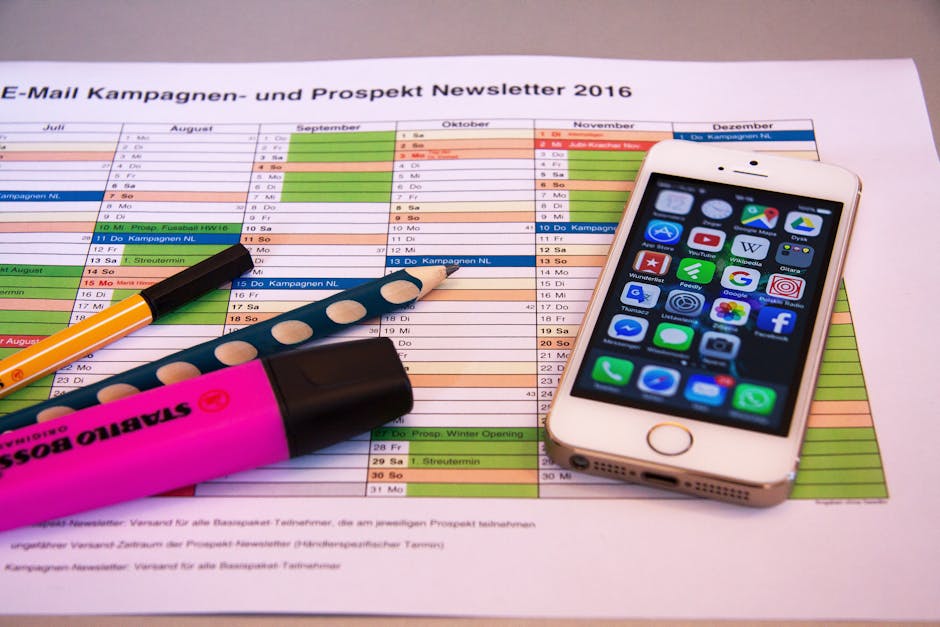
Marktguru and kaufDA are useful for browsing weekly grocery flyers and spotting individual deals. However, they fall short when you need to know the total cost of your complete grocery list across multiple stores, making it difficult to pinpoint the cheapest way to buy everything you need in one trip.
The Popularity of Flyer Apps and Their Primary Use
In Germany, apps like Marktguru and kaufDA have become popular tools for budget-conscious shoppers. Their core function is to aggregate the weekly Prospekte, or advertising flyers, from various supermarkets and discounters. This allows users to browse current sales, discover new promotions, and plan their shopping around discounted items. Many shoppers find these apps invaluable for quickly scanning what's on offer at their favorite stores, helping them snag a deal on a specific item they might need. This approach works well for impulse buys or when you're stocking up on a regularly purchased item that happens to be on sale.
The Gap: Why Flyers Alone Don't Tell the Whole Story
While browsing flyers is helpful for individual deals, it creates a significant blind spot for the reality of weekly grocery shopping. Most people arrive at the store with a specific list of items they need, rather than a general desire to buy whatever is on sale. This is where flyer apps, by their very design, fall short.
The Manual Math Problem
Imagine you have a grocery list of 20 items. To figure out the cheapest way to buy everything on that list using Marktguru or kaufDA, you would have to:
- Open the flyer for Store A and manually check prices for each of your 20 items.
- Repeat this process for Store B, Store C, and so on.
- Keep track of all these prices, item by item, store by store, in your head or on a separate piece of paper.
- Then, try to calculate which combination of stores would yield the lowest total bill for your entire list.
This process is incredibly time-consuming and prone to error. It's the reason most people don't fully comparison-shop their entire list, even if they're trying to save money. They might informally decide "I'll get my produce at Aldi and my specialty items at Rewe," but that's a rough guess, not an optimized plan. They simply do not have the time to manually cross-reference every item across every relevant store.
Focusing on Deals, Not Total Baskets
Flyer apps are structured around presenting individual deals, not optimizing a full basket. Their interface encourages browsing promotions, rather than systematic list-checking. You might spot a great price on coffee at Lidl, but what about the milk, bread, and vegetables on your list? Are they also cheaper at Lidl this week, or will you pay more for those items, negating your coffee savings? Without seeing the total picture, you're making decisions based on fragmented information. This is why multi-store shopping can sometimes cost you more than it saves, as we explored in The Real Cost of Groceries: When Multi-Store Shopping Pays Off (and When It Doesn't).
The Cost of the Blind Spot
The blind spot of flyer apps translates directly into missed savings. By not having a clear, aggregated view of your entire list's cost across all nearby stores, shoppers inevitably spend more than necessary. They either stick to one store out of convenience, missing out on deals elsewhere, or they split their shop imperfectly, without truly knowing if they're getting the best value.
Furthermore, flyer apps often don't provide real-time pricing for all items, only those featured in the current week's Prospekt. This means you're still left guessing about the non-sale items on your list, which often make up the bulk of a typical grocery trip.
Moving Beyond the Flyer: A Smarter Approach
For budget-conscious shoppers in Cologne who want to save money without spending hours on manual calculations, a different approach is needed. The goal is finding the cheapest total cost for a complete shopping list. This involves comparing live, per-item prices across all nearby stores, including sale items and regular prices, and factoring in the effort or travel time for multi-store trips. This is how you genuinely turn a grocery list into the cheapest realistic way to buy it, allowing you to see your savings before you even leave home.
Comments
No comments yet.