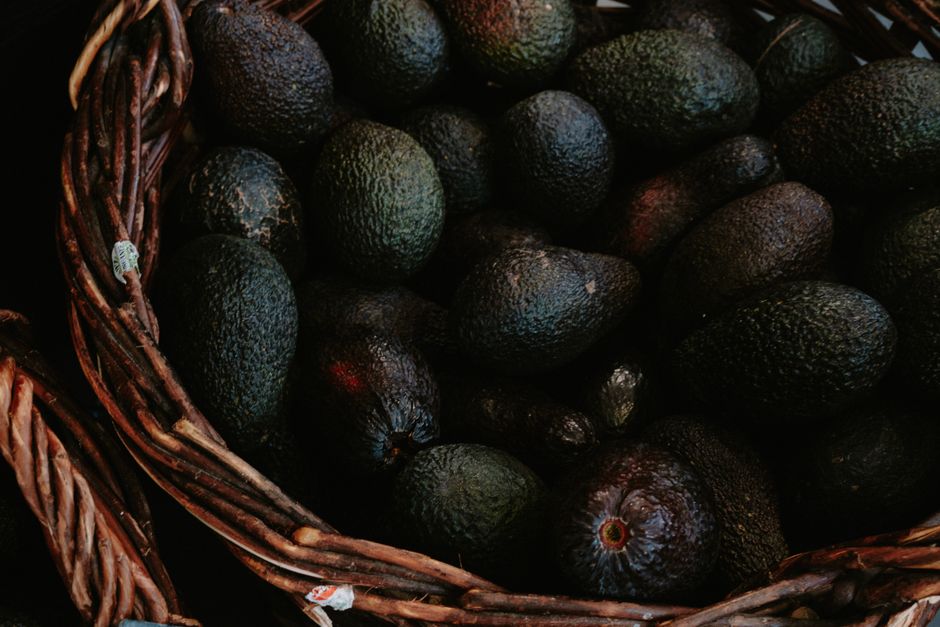
When taco night costs more than expected, keep the dinner plan fixed and rebuild the basket around current nearby offers. Compare every ingredient, then choose the one-store or two-store plan whose total savings still make sense after the extra drive.
In April 1970, Apollo 13’s carbon dioxide level was rising while the spacecraft carried square scrubber cartridges that would not fit the lunar module’s round openings. NASA engineers in Houston had to work with the materials already aboard, including plastic bags, cardboard and tape, then give the crew instructions for assembling an adapter. The mission remained uncertain while that improvised system was being devised and tested.
The crew survived. Jim Lovell and Jeffrey Kluger document the mission in Lost Moon, their account of Apollo 13.
Wednesday dinner in Dallas carries far lower stakes, of course. The useful parallel is the method: protect the essential outcome, inspect the real constraints and rebuild the plan using what is actually available.
Keep taco night fixed and make the basket flexible
The first reaction to a high basket total is often to abandon the meal or start cutting ingredients at random. A better approach begins by separating the goal from the current version of the list.
The goal might be tacos for dinner. The current version might include ground beef, tortillas, shredded cheese, lettuce, tomatoes, salsa, sour cream and an avocado. Those details can change without losing the meal.
Start with the ingredients that define dinner for your household. Keep tortillas and a filling. Decide whether cheese, salsa or fresh toppings are essential. Then identify the flexible items. Ground turkey may work in place of beef. Beans may replace part or all of the meat. A cabbage option may hold up better than lettuce. A smaller package can beat a promotion on a quantity you will not use.
This step prevents one attractive offer from steering the entire shop. You are rebuilding a complete dinner basket, not collecting disconnected discounts.
Compare the whole Dallas basket item by item
Open your saved list or build a fresh taco list, then compare current offers near your Dallas location. Best Price Alert can rank one-store and multi-store plans using nearby prices while weighing the total against travel distance.
Look beyond the cheapest line item. A low tortilla price at one retailer means little if the meat, cheese and vegetables make the complete basket more expensive. The useful number is the total for the items you can actually match and buy.
Check three details before choosing:
- Confirm which items are included in each total. An unmatched avocado or missing salsa can make a plan appear cheaper than the dinner it represents.
- Compare package sizes and units. A lower shelf price may cover a smaller amount.
- Read the distance beside the basket total. A second stop needs to earn its place in the evening.
The convenience versus savings control helps make that last decision explicit. Move it toward convenience when dinner is already running late. Move it toward savings when the second store is close enough and the basket difference matters to you.
For a deeper look at that tradeoff, see When Does a Second Grocery Stop Justify the Savings?.
Rebuild around the best practical store plan
Suppose the comparison produces a convenient one-store basket and a cheaper two-store split. Do not automatically choose either extreme.
Review the split item by item. If the second stop carries several meaningful parts of dinner, the detour may be reasonable. If it saves money on one optional topping while adding another drive, keep the one-store plan and adjust that ingredient.
This is where a Wednesday rescue becomes practical:
- Lock the essential taco ingredients.
- Replace flexible items with suitable offers.
- Remove quantities that create waste.
- Compare the revised one-store total with the revised split.
- Choose the plan you can complete before dinner.
Current weekly offers can support the comparison before you leave home. There is no receipt claim to submit afterward and no payout to wait for. The value appears in the plan itself: which nearby store, which items and what the basket costs based on the available offer data.
If complete basket coverage matters more than the lowest partial total, this comparison of coverage and price explains why a missing match deserves attention.
Give the second stop a job
A second store should solve a clear problem. It might carry the filling and several toppings at a meaningfully lower combined price, or it might complete items unavailable in the first plan. “One product is cheaper there” is rarely enough by itself.
NASA’s Apollo 13 team did not redesign the entire spacecraft. Engineers preserved the required outcome, removing carbon dioxide, and adapted the available parts around it. Your Wednesday check follows the same shape on an ordinary scale: preserve dinner, change the basket configuration and reject any plan that adds effort without enough benefit.
Save the revised taco list when it works. Next Wednesday, you can reuse it, refresh the nearby prices and adjust only what changed. That turns dinner rescue from a rushed search into a short comparison you can repeat.
Comments
No comments yet.